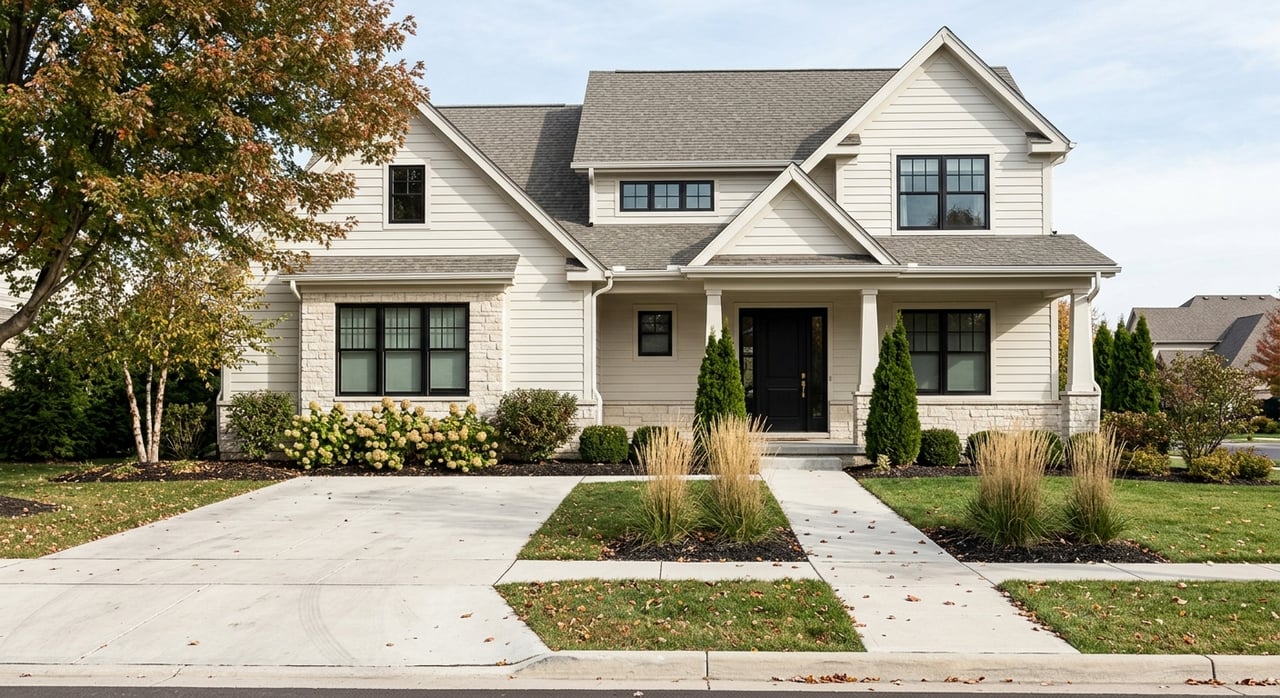
Daily Life In Grand Rapids Beyond Downtown
April 2, 2026
April 2, 2026
If you picture Grand Rapids as only a downtown city, you might miss what daily life here is really like. For many residents, the rhythm of the day happens in neighborhood business districts, local parks, residential streets, and community corridors well beyond the city center. If you are thinking about moving to Grand Rapids or narrowing down where you want to live, this guide will help you understand how life outside downtown actually feels. Let’s dive in.
One of the biggest things to know about Grand Rapids is that daily life outside downtown is not one-size-fits-all. The city had an estimated population of 200,117 in 2024, an owner-occupied housing rate of 54.0%, and a mean travel time to work of 19.0 minutes, according to U.S. Census QuickFacts for Grand Rapids.
That citywide snapshot is helpful, but the local experience often depends on the neighborhood you choose. Grand Rapids planning materials describe older pre-World War II areas as generally denser and more mixed-use, while post-World War II neighborhoods tend to be lower density and more auto-oriented, based on the city’s master plan summary.
In practical terms, that means you may find one area where homes, small businesses, and parks sit close together, while another feels more residential and spread out. That variety is a major reason buyers often find a better lifestyle fit outside the downtown core.
If you enjoy older homes and a more traditional neighborhood pattern, Grand Rapids has several areas that reflect its earlier growth. Heritage Hill is the city’s oldest historic district and one of the largest in the nation, with roughly 1,300 structures, according to the city’s historic preservation guidelines.
Those same preservation materials note that Cherry Hill developed as a middle-class neighborhood with simple frame residences, while the Wealthy Street area grew as a corridor with homes, commercial activity, periods of vacancy, and later reinvestment. For you as a buyer, that can translate into neighborhoods with more architectural variety, established streetscapes, and nearby commercial corridors that support everyday errands.
Southtown is a good example of how neighborhood form can shift within the same part of the city. Its area plan says residential neighborhoods are primarily single-family homes, with some multi-family housing in the northern section, and it distinguishes traditional neighborhoods from mid-century ones in a very practical way.
In traditional areas, homes may sit near storefronts and apartments above stores. In more mid-century areas, lots are often larger, land uses are more separated, and commercial activity is concentrated along major corridors, based on the city’s Southtown area plan.
Outside downtown, Grand Rapids offers a broad housing mix rather than a single dominant style. Depending on where you look, you may see older historic homes, single-family neighborhoods, duplexes, accessory dwelling units, and multi-family options.
The city supports this range through its permit-ready housing plans, which include single-family, two-family, and multi-family housing types. For buyers, that means your options may include anything from a classic older home in an established neighborhood to a property type that supports flexible living arrangements.
Older neighborhoods can also come with upkeep considerations. That is one reason the city’s housing support programs matter, especially if you are looking at homes where maintenance and updates may be part of the long-term ownership picture.
If you are buying within city limits, it is worth paying attention to local programs. Grand Rapids offers a Homebuyer Assistance Fund with up to $7,500 for eligible buyers, and the city also offers housing rehabilitation loans for eligible owners.
These programs will not apply to everyone, but they can be useful if you are planning ahead for purchase costs or future improvements. In older parts of the city especially, having a realistic view of maintenance and available support can help you make a more confident decision.
Many buyers ask whether you need a car to live comfortably outside downtown. The honest answer is that it depends on the neighborhood, but in many parts of Grand Rapids, a car is still very useful.
The city’s planning materials explain why. Newer neighborhoods often have more separation between homes, shops, and services, and they are more connected by major arterial roads, as noted in the master plan summary.
That said, transit still plays a role in daily life for some areas. The Rapid transportation information notes that fixed-route bus service runs across the metro, and the Silver Line serves stations beyond downtown, including Wealthy Street, Hall Street, Burton Street, 28th Street, 44th Street, and 60th Street. The same source notes that contactless fare capping is currently $5.25 per day.
For you, that means transportation convenience can vary a lot from one neighborhood to another. Some areas may support a more mixed transportation routine, while others are better suited to driving for most daily needs.
One of the strongest quality-of-life features outside downtown is access to parks and recreation. Grand Rapids Parks and Recreation says the city has 75+ parks and year-round recreation programs, with a system that includes about 833 acres of parkland, three outdoor pools, 13 splash pads, and more than 13 miles of multi-use paths, according to the city’s department information.
That matters because daily life is not only about commuting or housing. It is also about where you walk, relax, exercise, and spend your weekends.
Neighborhood parks help define that experience. The city has described Riverside Park on the northeast side as a 186-acre park with open space, paved trails, and river views, while Richmond Park and MLK Park each have outdoor pools, based on the city’s parks and recreation feature.
The recreation department also offers seasonal activities such as skating, snowshoeing, golf, kayaking, and free outdoor fitness classes. If outdoor access is part of how you judge a neighborhood, this is an important piece of the Grand Rapids lifestyle.
A common misconception is that most shopping, dining, and entertainment happen only downtown. In reality, Grand Rapids has multiple neighborhood business districts that function as local hubs for day-to-day life.
The city’s Uptown Business Improvement District highlights East Fulton, East Hills, Eastown, and Wealthy Street as key business districts, according to Uptown district information. On the west side, planning documents center areas such as West Leonard, West Grand, and Stockbridge as neighborhood-oriented corridors.
Fulton Street Market is another example of an everyday anchor outside the core. These districts help make Grand Rapids feel less like a city with one central destination and more like a collection of connected local centers.
Daily life outside downtown also includes cultural and recreational destinations spread throughout the city. Frederik Meijer Gardens & Sculpture Park operates a 158-acre campus at 1000 East Beltline NE, and John Ball Zoo on Fulton Street West has served the community since 1891.
Wealthy Theatre on Wealthy Street SE is another neighborhood-scale venue that adds to the city’s everyday cultural life. Together, places like these support a lifestyle where your weekends and free time can stay local, even when you are not heading into downtown.
If you are in the early stages of your search, the biggest takeaway is simple: Grand Rapids outside downtown is a neighborhood-first market. Some areas may appeal to you because they offer older homes, established streets, nearby business corridors, and easy park access.
Other areas may feel more residential, with larger lots, more separation between uses, and a stronger reliance on driving. Neither setup is automatically better. The right fit depends on how you want your daily routine to work.
As you compare options, it helps to think about questions like these:
The more clearly you define your day-to-day priorities, the easier it becomes to narrow in on the right part of Grand Rapids.
If you want help comparing neighborhoods, understanding what fits your lifestyle, or planning a move in West Michigan, Tony Hernandez offers the kind of local, personalized guidance that can make your search much clearer.
Stay up to date on the latest real estate trends.
Get assistance in determining current property value, crafting a competitive offer, writing and negotiating a contract, and much more. Contact me today.