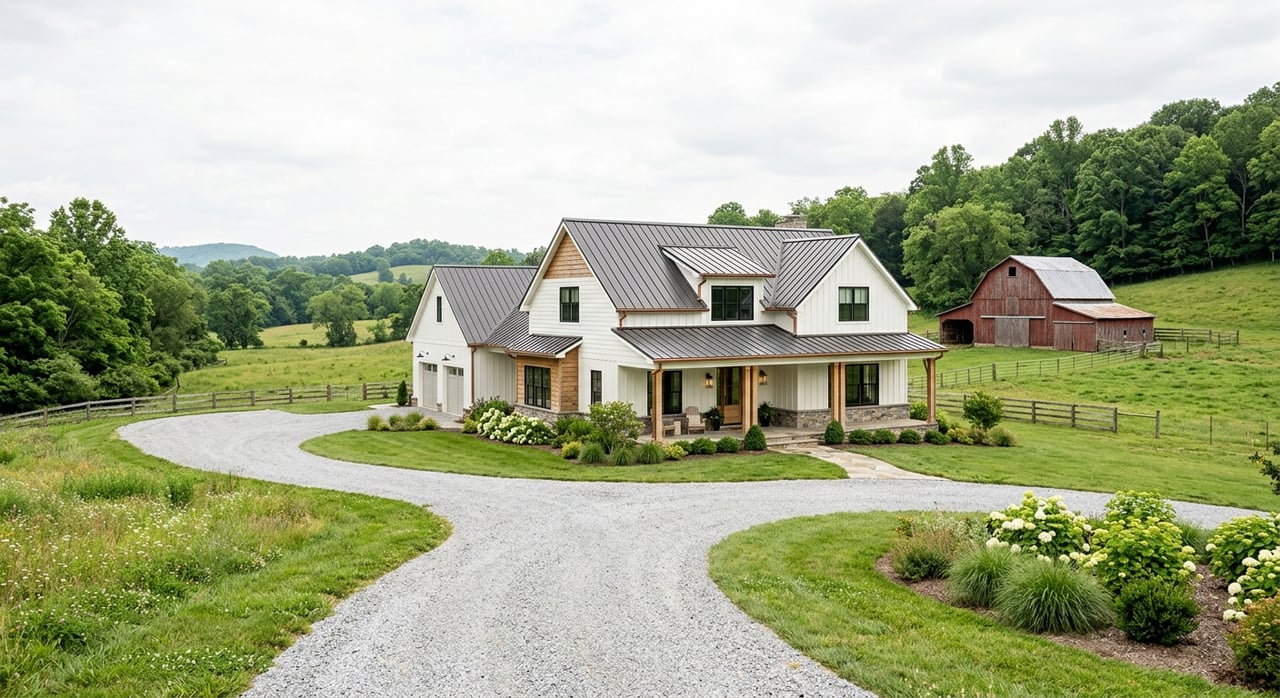
Buying Land Or A Hobby Farm In Fennville
May 21, 2026
May 21, 2026
Thinking about buying land or a hobby farm in Fennville? It is easy to fall in love with the idea of open space, a few outbuildings, and room to grow, but the wrong parcel can create expensive surprises fast. If you want a property that fits your plans from day one, you need to look beyond the listing photos and understand how zoning, utilities, access, and site conditions work in this area. Let’s dive in.
Fennville is known as a Southwest Michigan community surrounded by farmlands, vineyards, and scenic lakes. The area has deep roots in fruit farming, especially apples and peaches, and that agricultural identity still shapes what many buyers want from land here.
Southwest Michigan’s fruit belt also benefits from Lake Michigan’s moderating effect and sandy-loam soils that drain well while still holding moisture. That matters if you are looking for land with gardening, orchard, or small-scale growing potential. It also helps explain why Fennville continues to attract buyers who want a rural lifestyle with productive land.
For many buyers, the goal is not a full-scale farm operation. It is a property with enough space for a home, a barn or workshop, a garden, and maybe a few agricultural uses that fit the parcel and local rules.
Before you make an offer, confirm whether the parcel is inside Fennville city limits or outside the city in a township. That one detail affects who handles zoning, permits, and land-use questions.
Inside the city, Fennville’s Planning and Zoning Department handles permits, site plans, and land-use proposals. The city also encourages a pre-application review conference before formal development, which can be a smart first step if you are considering improvements.
If the parcel is outside city limits, the city ordinance does not apply. In that case, you will need to verify rules with the governing township instead of assuming the property follows the same standards as land in the city.
Many buyers see agricultural zoning and assume it means they can do almost anything. In Fennville, that is not the case.
Within the city, the AG district is the key zoning category for many land buyers. The ordinance says this district is intended to support horticultural activities and protect existing agricultural operations. It is not intended to encourage new animal husbandry operations, which is an important distinction if your hobby farm vision includes livestock.
Permitted uses in the AG district include:
If you want animals on the property, do not rely on assumptions or listing language alone. Confirm the exact parcel zoning and ask the appropriate local office whether your intended use is allowed before moving forward.
Even if a parcel is zoned AG, the property still has to meet specific dimensional rules. These requirements can affect whether your plans actually fit on the land.
In Fennville’s city AG district, the ordinance includes these standards:
These numbers matter when you are thinking about a house site, driveway, outbuildings, and any future expansion. A parcel can look large on paper but still feel tight once setbacks, access, and usable building area are factored in.
A hobby farm often means more than just a house. You may want a pole barn, workshop, storage building, greenhouse, or other accessory structure.
In Fennville’s city AG district, accessory buildings are allowed, but review may be required depending on the type and size. A non-vehicle accessory use generally needs Planning Commission approval unless it is 120 square feet or less. Accessory buildings over one story or taller than 14 feet can also trigger review.
That means it is worth asking specific questions early if your plans include a larger barn or specialty structure. The parcel may work, but the approval path could be more involved than you expect.
One of the biggest differences between land listings is whether the property has access to municipal utilities or will need private systems. This affects your budget, your timeline, and sometimes even whether the parcel is practical for your plans.
The City of Fennville water system serves the city and parts of Manlius and Clyde Townships. City water is treated with iron removal and chlorine from three municipally owned wells, and the city also manages the sewer system.
If you are buying rural acreage, you may need a private well and septic system instead. That shifts the conversation from simple utility hookup questions to county-level environmental review.
For rural properties in Allegan County, Environmental Health is the key office for onsite septic and private well issues. This is one of the most important parts of land due diligence because not every parcel supports the same type of septic system.
The county uses site evaluations and PERC tests to determine whether a septic system can be installed. Those evaluations consider soil type, seasonal high water table, lot size, and topography.
The same office also handles well permits, water analysis, and existing well evaluations. If you are financing the property or simply want to reduce risk before closing, these steps can give you a much clearer picture of what the land will require.
A parcel is not automatically build-ready just because it has road frontage. Driveway access is another area where buyers can run into delays or added costs.
The Allegan County Road Commission requires a physical site inspection for new driveway permits. That means frontage, sight lines, and driveway placement should be reviewed early instead of after you are under contract and making plans.
This is especially important if the ideal build site sits deep on the parcel or if the road approach looks straightforward at first glance but may not meet permit standards. Early confirmation can save time and frustration.
If you plan to clear land, grade a site, or build a barn or home, you may also need to account for soil erosion and sedimentation control requirements. These rules can affect both timeline and cost.
In Allegan County, permits may be needed when disturbing 1 acre or more, when work is within 500 feet of a lake, stream, wetland, drain, or storm inlet, and sometimes for agricultural or accessory-building work. Plowing and tilling for crop production are exempt.
This matters in the Fennville area because many buyers are drawn to land near water features or parcels that will need some site work before construction. It is another reason to confirm improvement plans with local offices before you buy.
Buying land in an agricultural area can be a great lifestyle move, but it helps to go in with clear expectations. Rural property offers space and flexibility, yet it also comes with the realities of working farmland nearby.
Michigan’s Right to Farm framework exists to respond to nuisance complaints involving farms, and state law says a farm operation that conforms to generally accepted agricultural management practices shall not be found to be a nuisance. In practical terms, that means rural living can include odors, dust, machinery noise, and seasonal activity that are part of normal farm use.
For many buyers, that is part of the appeal. Still, it is better to understand it upfront so the property you choose fits the lifestyle you actually want.
Before you commit to a parcel, make sure you have answers to these core questions:
These are the details that separate a great land purchase from a frustrating one. The goal is not just to buy acreage. It is to buy land that truly works for your plans.
When you buy land or a hobby farm property, the right local guidance matters. Depending on the parcel, your due diligence team may include the zoning administrator, county environmental health staff, the road commission, a surveyor, and a septic or well inspector.
If there are easements, boundary questions, or possible land splits involved, a land-use attorney may also be helpful. Inside the city, Fennville specifically encourages a pre-application review conference, which makes city staff an important early resource for parcel-specific questions.
If you are buying from out of town or comparing multiple properties, having an experienced local real estate guide can make the process much smoother. You want someone who can help you ask the right questions before you are too far down the road.
Buying land in Fennville can be a great opportunity, whether you want open space, a small growing operation, or a property with room to build and breathe. The key is matching your vision to the parcel’s actual zoning, utility setup, access, and site conditions. If you want a local, responsive guide to help you evaluate land and acreage opportunities in West Michigan, connect with Tony Hernandez.
Stay up to date on the latest real estate trends.
Get assistance in determining current property value, crafting a competitive offer, writing and negotiating a contract, and much more. Contact me today.